
Introduction 1-3
Constipation can make you feel heavy, bloated, and uncomfortable. It happens when you go to the bathroom less often than usual, or when your stool is hard and difficult to pass. Over time, it can do more than upset your stomach. It can leave you feeling tired, tense, and stressed, and clogged up.
Many things can lead to constipation. Not getting enough fiber, drinking too little water, stress, not moving enough, certain medical conditions, and some medicines can all play a part. If constipation keeps coming back, a doctor can help find the cause. Along with regular care, some people also use massage therapy to help ease discomfort and support the body. Massage is not a replacement for medical treatment, but it may offer gentle relief.
What Constipation Feels Like 1-3
Constipation is often defined as having fewer than three bowel movements per week, but frequency is only part of the picture. It can also involve hard or painful stools, straining, and feeling like you still need to go to the bathroom after a bowel movement. Other common symptoms include bloating, gas, abdominal cramps, and a persistent sense of fullness. Although constipation is common, it can still affect a person’s mood, concentration, and daily routine because it is hard to focus at work or school when distracted by abdominal discomfort.
Common Causes: Why the Body Gets “Stuck” 1-3
Constipation does not happen for only one reason. It can develop slowly when the body’s normal rhythm changes. Some contributing factors are discussed below.
- There is also the connection between the mind and the gut. Anxiety and depression can affect the nervous system that controls digestion. Your gut and brain talk to each other constantly, so emotional stress can lead to physical symptoms—including constipation.t
- One big cause is not eating enough fiber. Fiber helps stool hold more water and take shape so it can pass more easily. Without enough fiber, stool can become dry and hard. If your meals are mostly processed foods and you miss fruits, vegetables, and whole grains, constipation becomes more likely.
- Inadequate fluid intake can also contribute to constipation. When the body is dehydrated, the colon absorbs more water from the contents passing through it, which can make stool harder, drier, and more difficult to pass.
- Lifestyle factors matter too. When you sit a lot and do not move much, your digestive system can slow down. Regular movement helps the body keep things moving, including waste through the intestines. Stress can also affect bowel function. When your body is tense, your gut may not work as smoothly.
- Some medications can cause constipation as well. Pain medicines like opioids can slow digestion. Some antacids, especially those with calcium or aluminum, can contribute. Certain antidepressants may also affect how the intestines move.
- Sometimes constipation is linked to other health conditions. People with thyroid issues, diabetes, neurologic dysfunction, or bowel disorders like irritable bowel syndrome may have changes in how often they go. In rare cases, constipation can be related to issues inside the digestive tract that need medical attention. That is why ongoing or severe constipation deserves a check-in with a healthcare professional.
Traditional Ways to Manage Constipation 1-3
Most people start with basic steps that help the body work better.
- First, improving diet is often key. Adding more fiber can make a real difference. Fruits, vegetables, beans, lentils, and whole grains give your intestines what they need to move stool through more smoothly. At the same time, drinking enough water helps keep stool softer.
- Second, staying active can help. Even simple daily movement—like walking—can encourage normal intestinal activity. Movement may not sound like a “treatment,” but it can help the gut’s natural rhythm.
- Sometimes, people use over-the-counter remedies. Some products add bulk to stool. Others soften stool or stimulate the bowel to move. These options can help when constipation feels stuck and uncomfortable. Still, they are best used carefully, especially if constipation keeps returning. Overusing some types can make your body rely on them instead of solving the problem.
- If constipation lasts a long time or does not improve, a doctor may need to find the cause. That could mean checking for medication side effects, hormone issues, digestive conditions, or neurologic reasons. Proper treatment depends on the reason, not just the symptom.
How Massage Therapy May Help 4-8
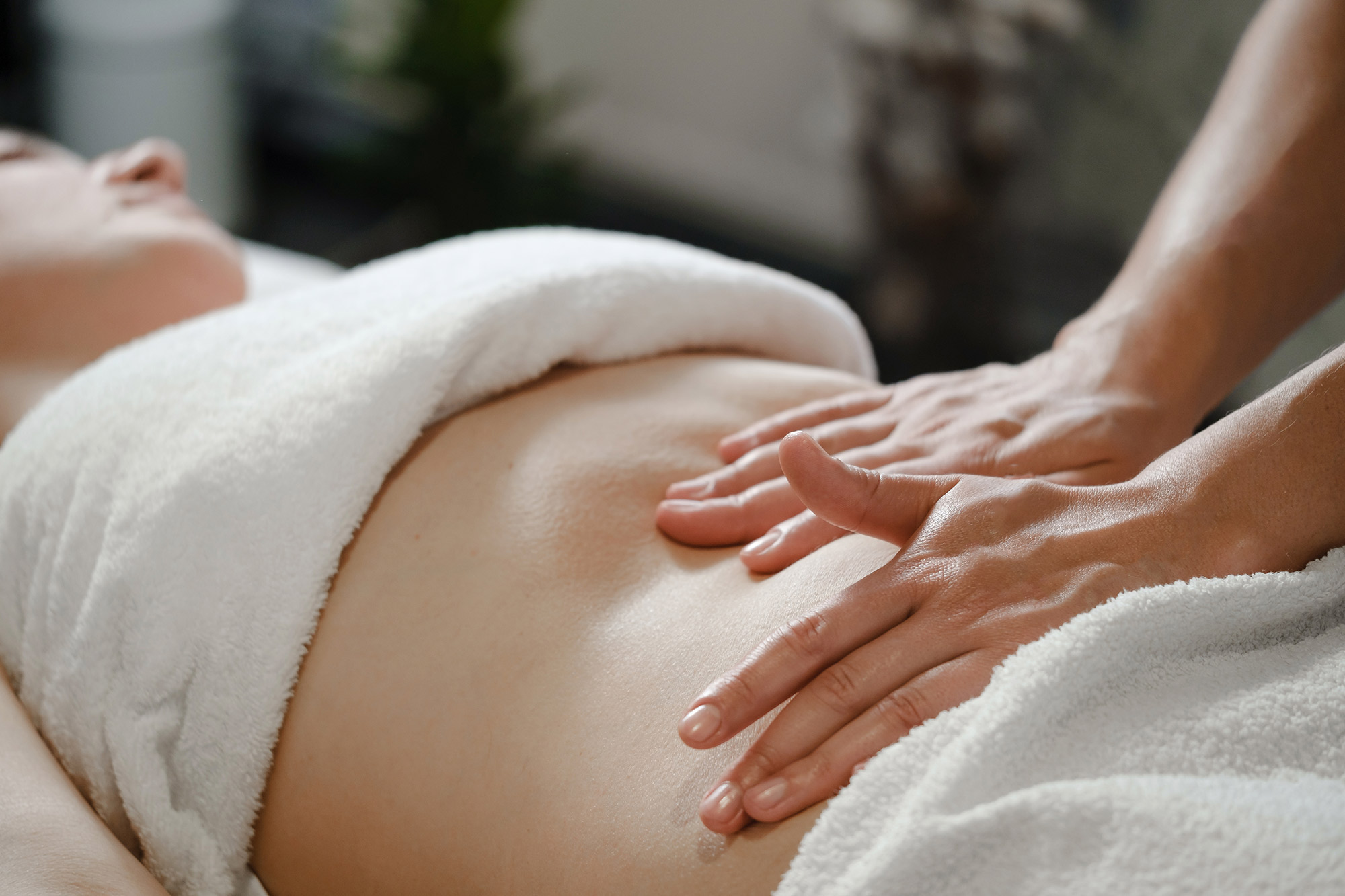
Massage therapy is often used as a complementary approach. That means it works alongside other care, rather than replacing medical treatment. For constipation, massage therapy may help because it supports the muscles and nerves involved in digestion. It can also help the body relax, which is important because stress can worsen constipation. Let’s picture the large intestine as a long pathway. Stool moves through it using wave-like muscle actions called peristalsis.
When peristalsis slows down, stool can build up and become harder to pass. Gentle abdominal massage may help encourage the intestines to keep moving.

In practice, massage therapists may use several techniques. Effleurage, or light stroking, can relax the abdomen and reduce guarding. Clockwise abdominal massage follows the path of the colon and may help stool move in the right direction. Gentle kneading can ease tension in the belly wall. Myofascial release can help with tight tissue in the abdomen, low back, and hips. Diaphragmatic breathing work can improve belly movement and reduce stress. Low-back massage may help people who hold tension through the spine and pelvis. Massage focused on the hips and nearby muscles may ease deep tightness, helping improve posture and reduce pressure in the belly. Pelvic floor work, when appropriate, may help the muscles learn to relax.
Using Massage as Part of a Plan 4-8
Massage therapy can fit into a broader constipation management plan. That plan often includes diet, water, movement, and stress care. A massage session can add support by helping your body relax and by gently encouraging digestive movement. But it works best when it is part of a routine that targets the main causes.
Research supports abdominal massage as a helpful add-on for constipation. Studies suggest it can improve bowel movement frequency, reduce symptoms, and shorten transit time, which is the time it takes food waste to move through the gut. It does not replace fiber, water, movement, or medical care, but it may be a useful part of treatment for some patients.
When to Get Medical Help 1
Massage is usually most helpful for constipation that is mild to moderate and connected to things like stress, diet, or irregular routines. It may not be enough alone if there is a medical reason behind constipation. Sometimes constipation is a sign that something else needs attention.
If constipation becomes severe, persistent, or comes with concerning symptoms, it’s important to contact a healthcare professional. Signs that should be taken seriously include strong or worsening pain, blood in the stool, unexplained weight loss, fever, vomiting, or sudden changes in bowel habits. These situations require real medical evaluation, not just home care.
The Takeaway
Constipation can be frustrating and uncomfortable, and it can affect both your body and your mood. The causes are often related to fiber and water intake, movement levels, stress, medication side effects, or underlying health conditions. Traditional management focuses on food, hydration, activity, and appropriate medical support.
Massage therapy may offer helpful support, especially when used along with other treatments. Abdominal massage can encourage peristalsis, reduce tension, calm the nervous system, and improve how comfortable the digestive system feels. When done gently and safely—with help from a trained therapist—it can be a soothing addition to a wider plan for better bowel regularity.
BOOK NOW- Mayo Clinic. Constipation – Symptoms and causes. Available at: https://www.mayoclinic.org/diseases-conditions/constipation/symptoms-causes/syc-20354253. Accessed 08/31/2026.
- Bharucha AE, Pemberton JH, Locke GR 3rd. American Gastroenterological Association technical review on constipation. Gastroenterology. 2013 Jan;144(1):218-38. doi: 10.1053/j.gastro.2012.10.028. PMID: 23261065; PMCID: PMC3531555.
- Rao SS, Rattanakovit K, Patcharatrakul T. Diagnosis and management of chronic constipation in adults. Nat Rev Gastroenterol Hepatol. 2016 May;13(5):295-305. doi: 10.1038/nrgastro.2016.53. Epub 2016 Apr 1. PMID: 27033126.
- Rattray F, Ludwig L. Clinical Massage Therapy: Understanding, Assessing and Treating Over 70 Conditions. Talus; 2000.
- Huang SY, Chiao CY, Chien LY. Effectiveness of abdominal massage on chronic constipation in adults: A systematic review and meta-analysis. Int J Nurs Stud. 2025 Jan;161:104936. doi: 10.1016/j.ijnurstu.2024.104936. Epub 2024 Oct 24. PMID: 39531948.
- Gu X, Zhang L, Yuan H, Zhang M. Analysis of the efficacy of abdominal massage on functional constipation: A meta-analysis. Heliyon. 2023 Jul 7;9(7):e18098. doi: 10.1016/j.heliyon.2023.e18098. PMID: 37496907; PMCID: PMC10366436.
- Lämås K, Lindholm L, Stenlund H, Engström B, Jacobsson C. Effects of abdominal massage in management of constipation–a randomized controlled trial. Int J Nurs Stud. 2009 Jun;46(6):759-67. doi: 10.1016/j.ijnurstu.2009.01.007. Epub 2009 Feb 12. PMID: 19217105.
- Birimoglu Okuyan C, Bilgili N. Effect of abdominal massage on constipation and quality of life in older adults: A randomized controlled trial. Complement Ther Med. 2019 Dec;47:102219. doi: 10.1016/j.ctim.2019.102219. Epub 2019 Oct 16. PMID: 31780015.